
A uniform does two things at once. It puts staff in workwear suited to the role and it represents the business in every customer interaction that happens while it’s being worn. That second part is what most buyers underestimate until a faded or misshapen piece shows up on the floor.
Arm 3 carries uniforms across multiple styles and fabric options for corporate, hospitality, healthcare, and school use. Ready-made pieces across a range of fits and sizes. Custom builds for organizations with specific branding or departmental requirements.
Uniforms vary more by industry than most apparel categories. A hotel front desk uniform and a hospital scrub are practically different products with the same purpose, completely different requirements. Where the piece is worn and for how long determines everything about how it needs to be built.
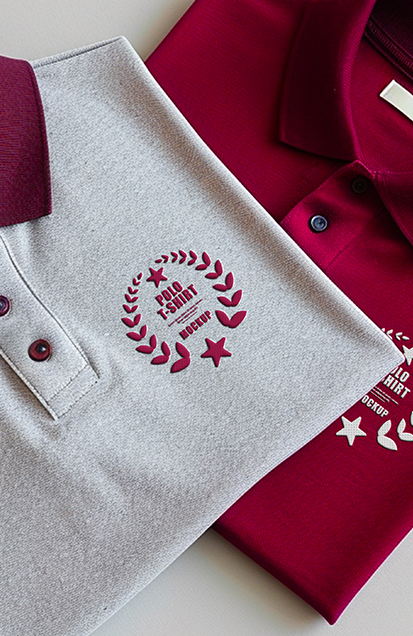
The most common uniform piece across corporate, hospitality, and retail environments. Clean enough for customer-facing roles, comfortable enough for extended wear, and easy to brand with embroidery or screen printing. The fabric weight determines how well it holds its shape and color through repeated commercial washing.
Built for clinical environments. Comfort through extended wear and performance under clinical washing conditions matter more here than in any other uniform category. Fabric needs to breathe through long shifts and hold up under high temperature washing cycles without degrading quickly.
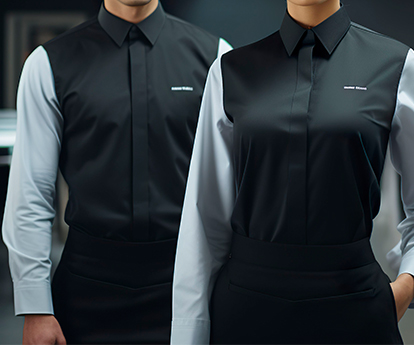
More structured than a polo. Suited for hotel front desk, corporate office, and professional service environments where a polished appearance is part of the role. Button construction and collar finish both affect how the piece holds up through daily use.
Paired with tops across most uniform categories. Fit through the seat and thigh affects comfort during extended wear more than most buyers account for before staff start wearing them through full shifts. Fabric that holds its shape and crease through commercial washing reduces the maintenance burden on the organization.
Sizing needs to cover a wide age and body type range within the same order. Color consistency across a large student body is the detail that matters most. A slight variation in shade across units becomes visible when students are together in the same space.

Uniform fabric gets tested differently than casual apparel. Daily commercial washing, extended wear through long shifts, and constant exposure to the conditions of the working environment all put stress on fabric that most casual wear never encounters.

Breathable and comfortable against the skin through extended wear. The natural choice for roles involving long shifts where fabric feel matters as much as appearance. Holds up well through standard commercial washing but fades faster than polyester blends under high temperature cycles.
Better color retention and shape retention than pure cotton across repeated commercial washing. A 65:35 polyester-cotton blend gives enough breathability for extended wear while holding its appearance significantly longer than pure cotton under daily washing conditions. The most common fabric choice for hospitality and corporate uniforms.
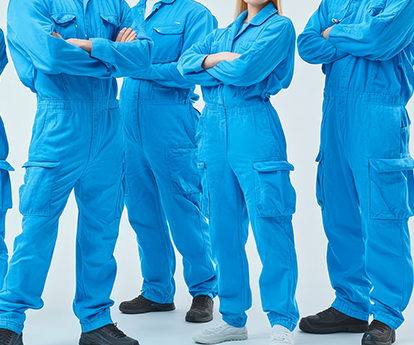
Resist wrinkling and maintain a clean appearance through daily use without heavy ironing or maintenance. Relevant for customer-facing roles where staff appearance needs to look consistent throughout a full shift without constant attention.
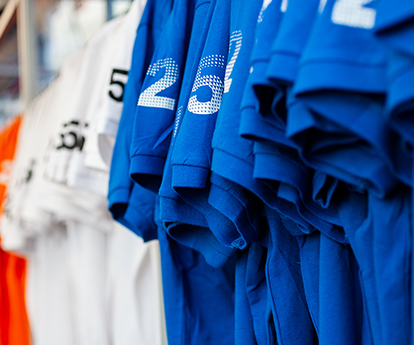
A growing requirement in healthcare and hospitality. The fabric treatment reduces bacterial growth on the surface, which matters in clinical environments and food service settings where hygiene standards are regulated. Worth specifying at the order stage for organizations in those sectors.
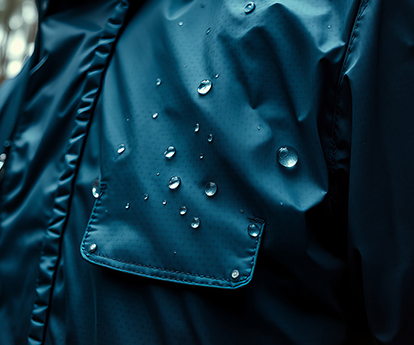
Relevant for kitchen, back of house, and physically demanding roles where heat and physical activity generate sweat through a shift. Fabric that moves moisture away from the skin reduces discomfort and keeps the piece looking cleaner through extended active use.
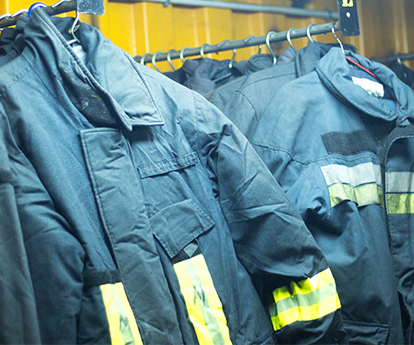
High temperature washing cycles, heavy detergents, and daily frequency all accelerate fabric degradation faster than domestic washing. Fabric preparation, fiber content, and dye quality all affect how long a uniform holds its color and shape under those conditions. Worth confirming at the sample stage before committing to a full order.
A uniform that looks right on the first day needs to do the same thing after months of daily use and commercial washing. Individual buyers notice comfort and appearance. Organizations notice when consistency breaks down across a department.
Staff wearing uniforms through 8 to 12 hour shifts need fabric that breathes, moves with the body, and doesn't cause skin irritation through extended contact. A uniform that becomes uncomfortable midway through a shift affects staff performance and morale in ways that show up before the end of the day.
Color needs to hold the same way across every unit in the order and across repeat orders placed months apart. For organizations using color coding across departments, a shade variation between one department's uniforms and another's breaks the visual system the organization has built around it.
A workforce covers a wide range of body types. Uniforms need to fit well across that full range, including extended sizes, without the fit quality dropping at the extremes. Poor fit in larger sizes is one of the most common staff complaints in organizational uniform programs.
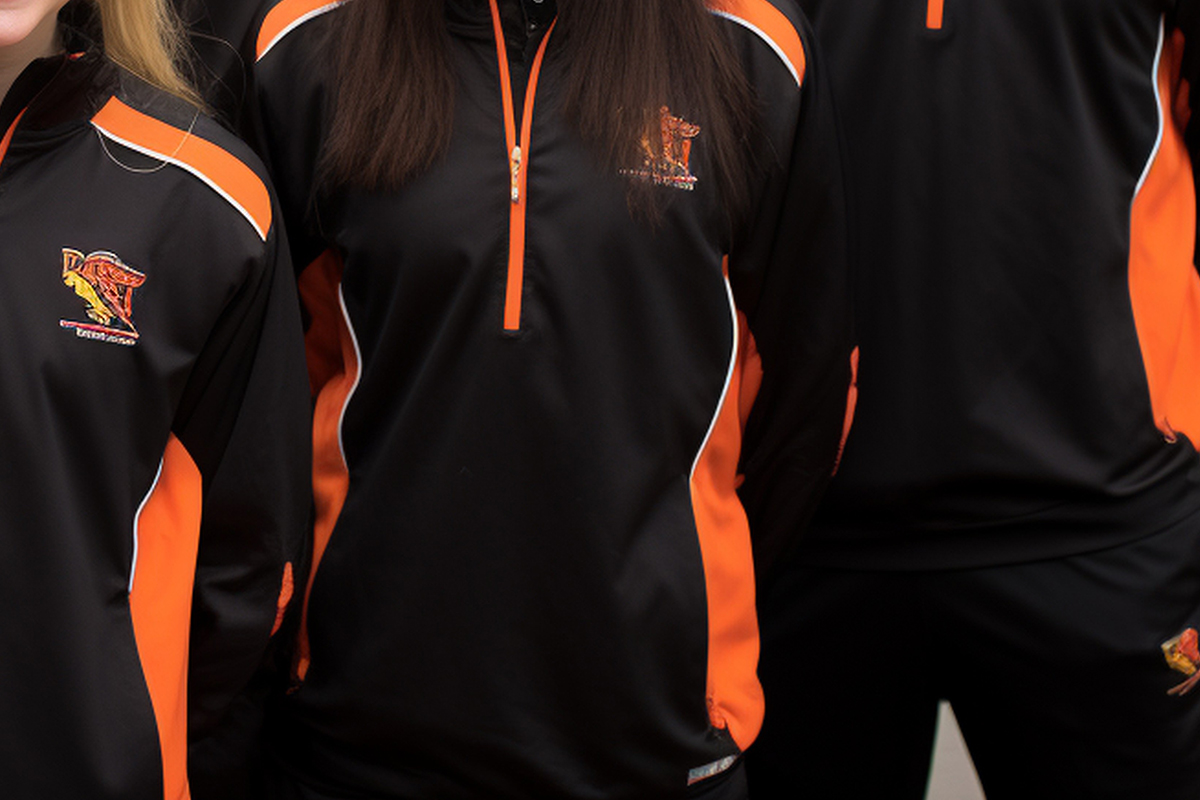
Logo placement, embroidery thread color, and finish quality need to be accurate and consistent across every unit in the order. A logo that sits slightly differently on some pieces than others, or embroidery that varies in thread tension across units, undermines the brand consistency the uniform is meant to create.
Shape, color, and finish all degrade faster under commercial washing than domestic conditions. A uniform built for domestic washing that ends up going through a commercial cycle daily shows wear significantly faster than expected. Fabric preparation and fiber content both affect how long the piece holds its appearance under those conditions.
Uniform orders carry more variables than most apparel purchases. Color specifications across departments, sizing across a varied workforce, and consistency across every unit from the first order through to annual reorders all need to be right before staff start wearing them in front of customers.
Color coding across departments is worth addressing early in the order process. Organizations that assign different colors to different roles need those colors confirmed and locked before production starts. Reorder cycles for institutional buyers typically run annually or biannually. Samples are available before any order is confirmed. Quantity, color specifications, sizing range, and delivery requirements are all worth sorting out upfront so nothing needs revisiting once production starts.

Embroidery, screen printing, heat transfer, and private labeling are all available for uniform orders. Logo accuracy and color matching to brand specifications matter more in uniforms than most other apparel categories. A logo that sits differently across units or fades faster than the fabric undermines the consistency the uniform is meant to create.
Start with the product type and fabric that suits the role and the conditions it will be worn in. Corporate and hospitality, healthcare, or school. The range covers small business orders through to large institutional procurement across multiple departments.
For bulk orders, color specifications, departmental requirements, or anything that needs a conversation before committing, the team is available.
Plot No. B-19/D SITE, Super Highway, Scheme 33, Phase 1, Karachi.