Most customization suppliers set minimums that price out small brands before the conversation even starts. Arm 3 works differently. Whether you are launching a first collection or placing a repeat seasonal order, the process is the same. Clear communication, honest timelines, and consistent quality across every unit.
Customization is available across all product categories. T-shirts, hoodies, sweatshirts, sweatpants, sportswear, activewear, tracksuits, uniforms, and tank tops. Four core methods plus a full private label and labeling service that covers everything from woven labels through to specialty rubber, silicone, and leather options.
The right method depends on the design, the fabric, and what the finished piece needs to do. Choosing the wrong one affects print quality, wash performance, and how the piece holds up over time.
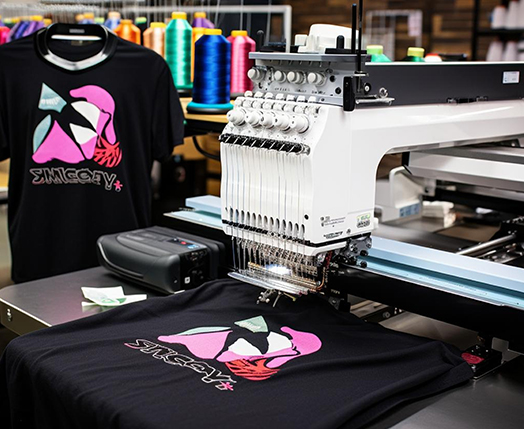
Thread stitched directly into the fabric. Produces a textured, dimensional finish that reads as premium in a way flat print methods don't. The standard choice for logos and branding on polos, hoodies, caps, and uniforms. Works best on structured fabrics. Not recommended for lightweight performance fabrics where the added weight and texture affect how the piece moves and feels.
Ink pushed through a mesh screen onto the fabric surface. Produces bold, vibrant graphics that hold up through repeated washing. The most cost effective method at higher volumes. Setup costs spread across quantity, so the per unit price drops significantly as order size increases. Best for designs with one to four colors and orders of twelve units or more.
Full color dye process that bonds directly into the fabric rather than sitting on top of it. Produces the most color-accurate and wash-resistant results of any printing method. Requires a polyester base fabric of at least 80 percent. The standard method for performance sportswear, team kits, and full color all-over designs.
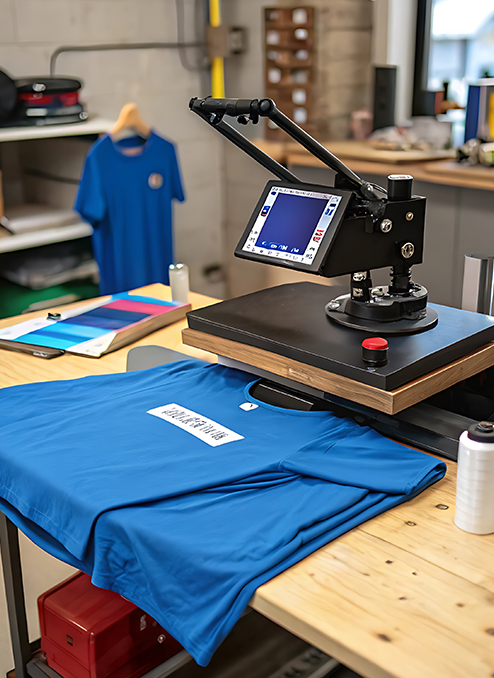
Logo and graphic application using heat and pressure. Sits on the fabric surface rather than bonding into it. Suited for performance fabrics and easy care materials where embroidery adds unwanted weight and screen printing does not adhere cleanly. Common in activewear, uniforms, and pieces requiring a clean low profile finish.
Digital inkjet printing applied directly onto the fabric surface. No setup screens or minimum color limits. Suited for complex multicolor designs and smaller quantities where screen printing setup costs would make the per unit price impractical. Works best on cotton and cotton blend fabrics.
Artwork does not need to be production-ready before getting in touch. The team handles design assistance and digitizing for embroidery, converting artwork into the thread path format embroidery machines require. Worth confirming at the inquiry stage what file formats and design details are available.
The gap between what was ordered and what arrives is where most customization problems live. Arm 3 closes that gap through a structured sampling process and full production transparency at every stage from first sample through to final delivery.
A physical sample produced before full production starts. Confirms fabric, construction, customization placement, label finish, and color accuracy before a single unit of the full order is cut. The most important step in the process for first-time orders and new product introductions. Changes are easier and less costly to make at this stage than at any point after.
A sample pulled from the production line during the active run. Confirms that what was approved at the pre-production stage is being replicated consistently as the full order is produced. Catches quality variation before it reaches the full quantity.
A complete set of samples across every size in the order. Confirms that sizing is accurate and consistent from the smallest to the largest unit before full production is completed. Critical for brand builders ordering across a full size run and organizational buyers covering a varied workforce.
An independent quality verification option during and after production. A third party auditor inspects the order against the confirmed specifications. Construction, customization accuracy, label placement, and finish quality are all verified without any involvement from Arm 3. Available for buyers who require an additional layer of verification beyond the internal sampling process. The option exists because production transparency should not rely solely on the supplier's own assessment.
Every stage of the order is visible and confirmed before moving to the next. No surprises between sample approval and final delivery. If something changes during production, it is flagged before it becomes a problem rather than discovered after delivery.
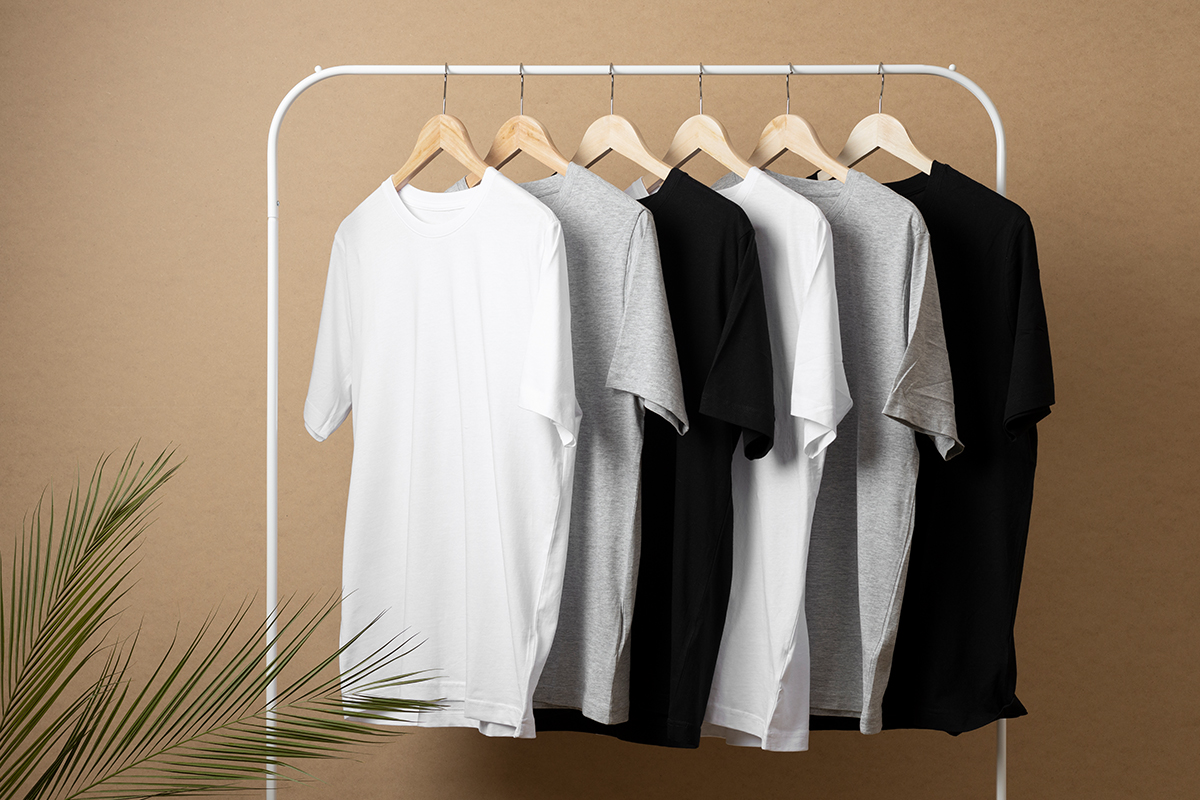
Screen printing, embroidery, heat transfer, sublimation, and DTG all available. Method depends on fabric weight and design complexity.
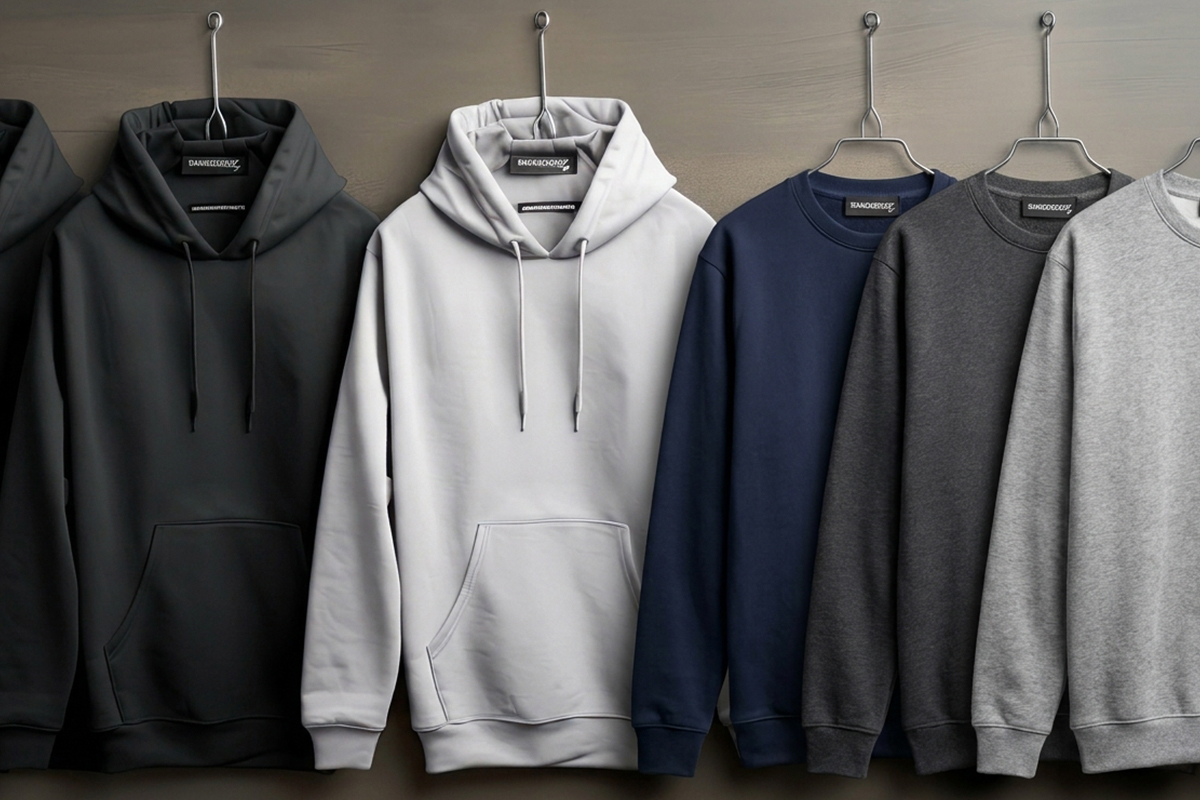
Embroidery works well on heavier fleece builds. Screen printing and heat transfer suit lighter and blended fabrics. Private label available across all cuts.
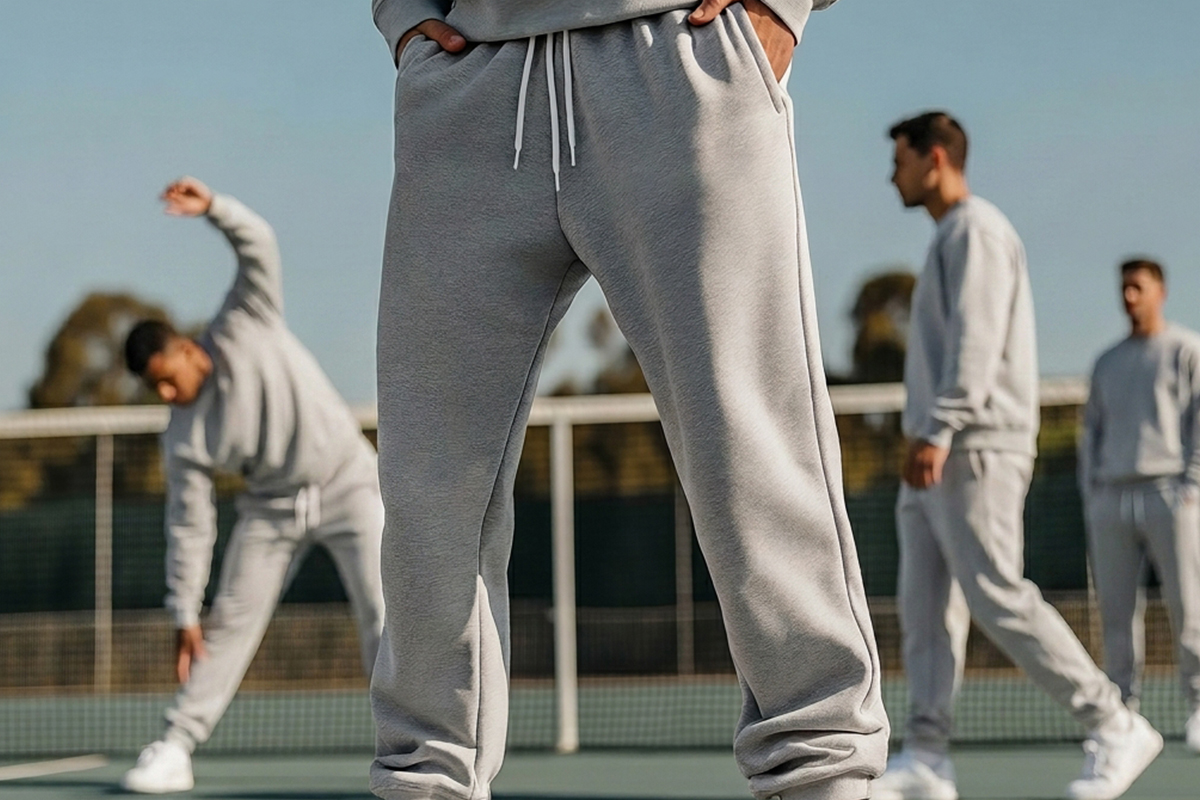
Screen printing and embroidery for casual builds. Heat transfer and sublimation for performance and athletic cuts.
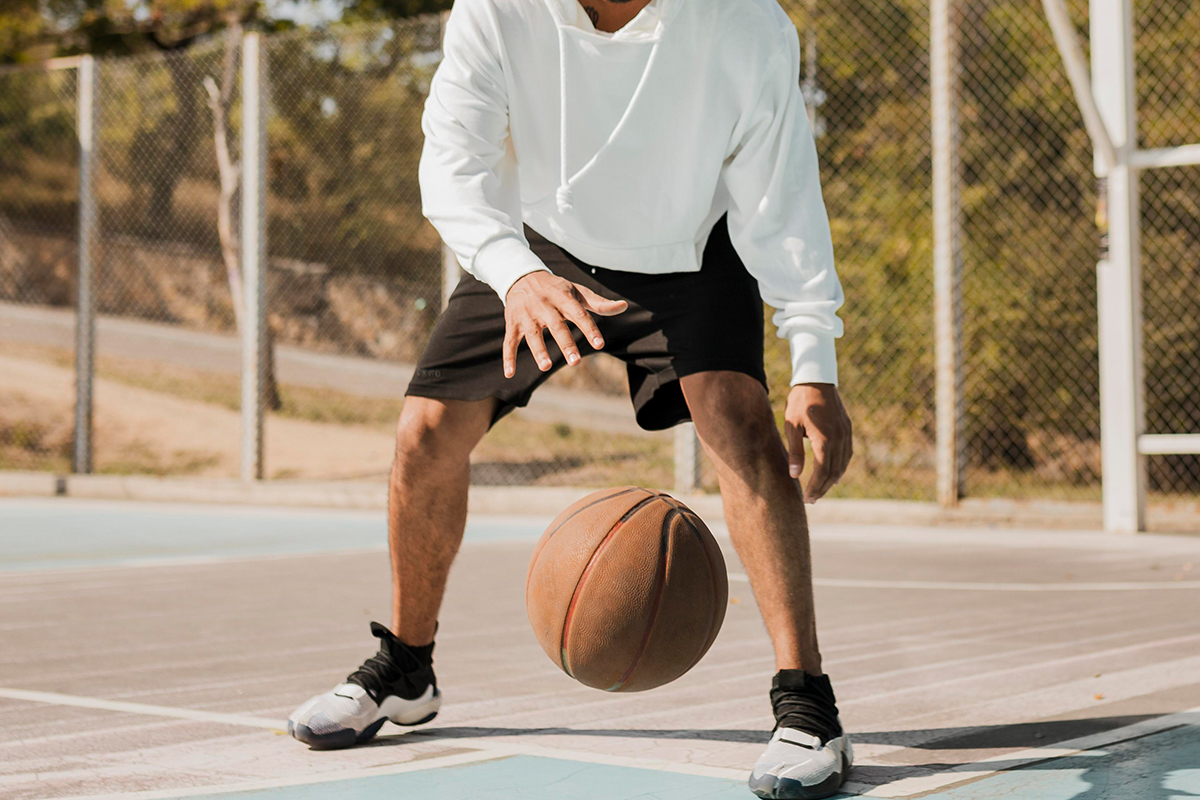
Sublimation is the standard for team kits and full color performance pieces. Embroidery and screen printing available for casual and training wear.
Heat transfer and sublimation suit performance fabrics best. Embroidery available on heavier builds where the added weight does not movement.
Getting started does not require production-ready artwork or a large minimum order. Share the product type, the customization method you have in mind, and a rough quantity. The team will work through the details from there.
For quotes, design assistance, sample requests, or anything that needs a conversation before committing, the team is available.
Plot No. B-19/D SITE, Super Highway, Scheme 33, Phase 1, Karachi.