Activewear has shifted. The same piece that works through a HIIT session or a yoga class now gets worn to run errands, meet friends, and move through the rest of the day. That changes what the fabric needs to do and how the fit needs to hold up across more than one setting.
Arm 3 carries activewear across performance sets, individual pieces, and studio wear. Four way stretch fabrics for yoga and high intensity training. Moisture wicking and breathable options for gym and outdoor use. Bulk ordering available for fitness brands, studios, and gyms.
Activewear covers more product types than most categories. The right piece depends on the activity, the fit preference, and how the piece is going to be worn. During training, after it, or both.
Lightweight and built for range of motion. Liner construction affects comfort during extended active use more than most buyers expect before they wear them. Inseam length changes the feel and the look significantly.
Shorter inseam, compression fit, sits closer to the body than standard shorts. Popular in studio and athleisure settings as much as active ones. The compression needs to hold through repeated washing to stay functional.
Moisture wicking, cut for movement, and versatile enough to wear outside the gym. The fabric needs to breathe during high intensity use and not look overly athletic when the session is done.
Sets Sublimation printing, heat transfer, screen printing, and private labeling are all available for activewear orders. For performance fabrics specifically, sublimation and heat transfer tend to work better than embroidery. Embroidery adds weight and texture to areas that need to stretch and move freely.
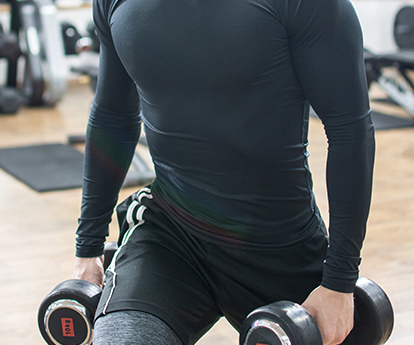
Activewear fabric is not one size fits all. The fabric that works for a yoga class and the fabric that works for a HIIT session have different stretch requirements, different surface textures, and different performance priorities. Choosing the wrong one shows up during the first workout.

Softer against the skin than polyester and more comfortable during low to mid intensity activity. The better call for yoga, studio wear, and pieces worn close to the skin for extended periods. Holds its shape well and resists pilling better than most polyester blends at the same weight.
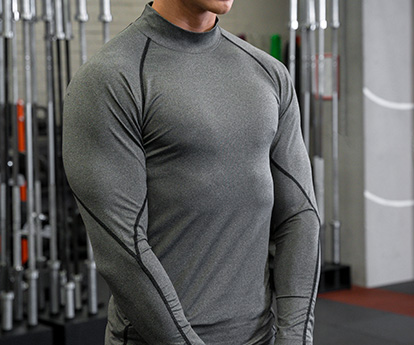
The default for high intensity training and gym wear. Moisture wicking by nature, dries faster than nylon, and holds color better across repeated washing. More durable under the friction of heavy training than natural fiber alternatives.
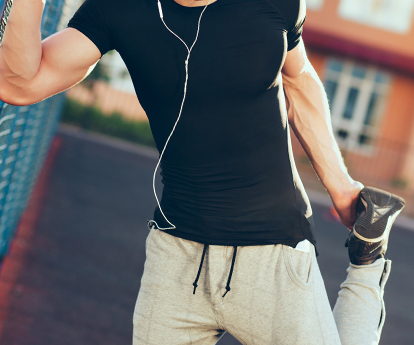
Stretch percentage determines performance level. Four way stretch requires a minimum of 20 percent spandex content. Below that the fabric stretches but doesn't recover consistently, which changes how the piece fits after a few months of regular use.
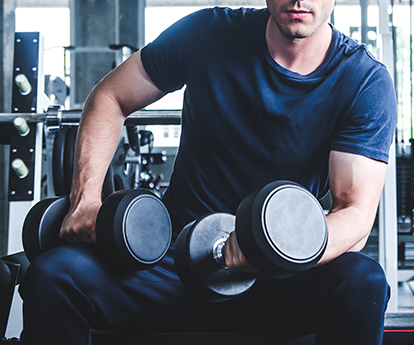
Same moisture wicking performance and durability as virgin polyester. Made from recycled materials, which matters to a growing segment of US activewear buyers. Worth considering for brands whose customers expect sustainable sourcing as part of the product story.
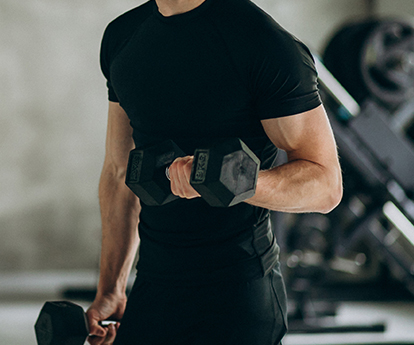
Stretches horizontally and vertically. Moves with the body in every direction during activity and returns to its original shape after. The recovery is what matters most. Fabric that stretches well but recovers slowly starts to bag and lose its fit faster than expected.
Fabric opacity under stretch. A legging that becomes sheer when the wearer bends or squats is one of the most returned activewear products in the US market. Fabric weight, fiber density, and weave construction all affect opacity. Worth confirming at the sample stage before committing to a full run.
Activewear gets tested differently than most apparel. The stretch, the sweat, and the washing cycle all compound. A piece that performs well in the first month needs to do the same thing six months into regular use.
Rolling and shifting during movement is the most common complaint in US activewear reviews. The waistband needs to stay in place through squats, lunges, and extended sessions without constant readjusting. Spandex content and band width both affect how well it holds. A waistband that rolls once will keep rolling.
Fabric that loses its recovery after repeated washing changes how the piece fits and performs. A legging that felt supportive and close in the first few wears starts to feel loose and shapeless as the spandex degrades. Recovery consistency across the life of the piece is what separates performance fabric from fabric that just looks the part new.
Inner thigh, underarms, and waistband seams take the most strain during active use. Flatlock stitching distributes tension more evenly than standard stitching and sits flat against the skin. Standard stitching at high stress points fails faster and causes chafing during extended wear.
Inner thigh and seat areas generate the most friction during movement. Pilling starts there first. Nylon resists pilling better than polyester at the same weight. Higher spandex content and tighter weave construction both reduce how quickly surface pilling appears.
For matching sets and brand orders especially, color needs to hold the same way across every unit and across repeated washing. A set where the top fades faster than the bottom stops looking like a set within a few months.
For brand builders ordering across a full size run, a medium needs to fit the same way relative to a large across every unit in the run. Stretch fabrics amplify sizing inconsistency more than woven fabrics because the fit relies on recovery as much as measurement.
Bulk activewear orders come with a specific set of requirements that go beyond most other apparel categories. Stretch recovery, color consistency across matching sets, and sizing accuracy across a full size run all need to hold across every unit in the order.
Common order types we handle:
Fabric consistency is the detail that matters most in bulk activewear orders. A matching set where the top and bottom stretch or fade differently across units stops looking like a set. Samples are available before any bulk run is confirmed. Quantity, fabric composition, and delivery requirements are worth sorting out early so nothing needs revisiting once production starts.

Sublimation printing, heat transfer, screen printing, and private labeling are all available for activewear orders. For performance fabrics specifically, sublimation and heat transfer tend to work better than embroidery — embroidery adds weight and texture to areas that need to stretch and move freely.
Start with the activity and the fabric that suits it. Yoga and studio wear have different stretch requirements than high intensity training, and the right fabric for one doesn’t always work for the other.
For bulk orders, matching set specifications, or anything that needs a conversation before committing, the team is available.
Plot No. B-19/D SITE, Super Highway, Scheme 33, Phase 1, Karachi.